The cost of technology is rising in 2026, and one of the biggest reasons is hiding inside the devices themselves: memory.
In Australia, Nintendo has just provided a very visible example. From 1 September 2026, the suggested retail price of the Nintendo Switch 2 increased from AU$699.95 to AU$769.95 — a AU$70 jump. Nintendo says the change reflects market conditions expected to continue over the medium to long term.
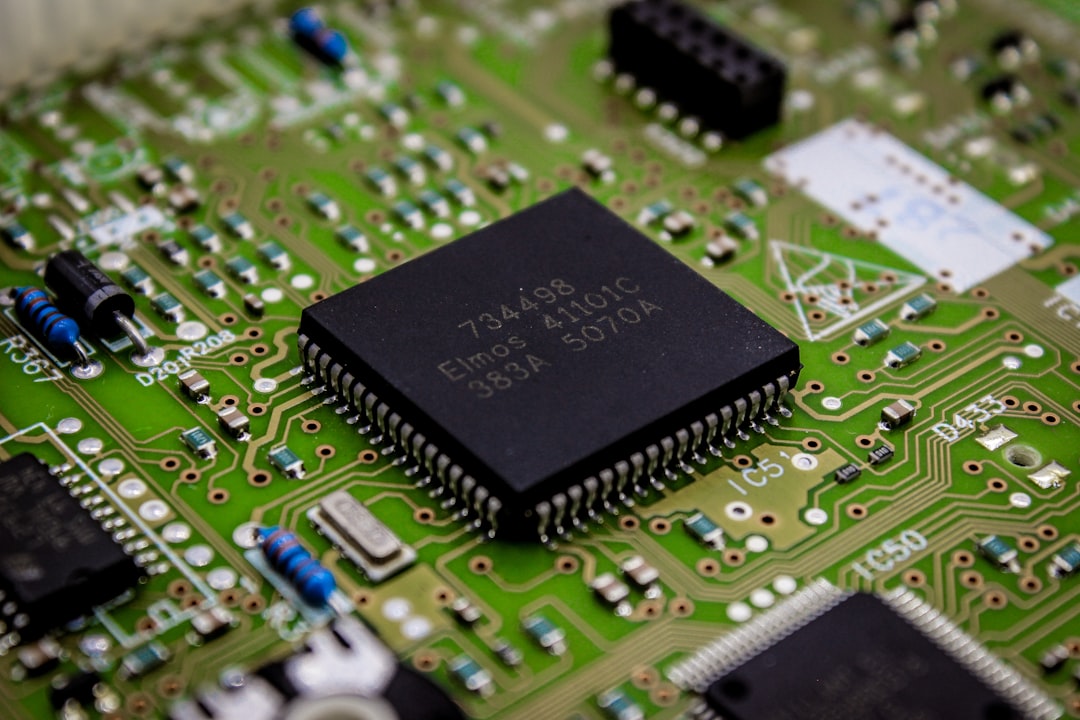
But this is not only a Nintendo story. Across smartphones, PCs and other consumer electronics, manufacturers are dealing with rapidly rising DRAM and NAND flash costs as the global memory market is reshaped by the demand for artificial intelligence infrastructure.
What happened to the Nintendo Switch 2 price in Australia?
Nintendo Australia confirmed that the Switch 2 SRP would rise to AU$769.95 from 1 September. The original Switch price has not changed.
The increase makes the Switch 2 one of the clearest examples Australian consumers can see of the wider pressure affecting technology prices this year.
Why memory prices are rising
The problem starts with the same components that help power modern phones, PCs and AI systems.
Memory manufacturers are facing intense demand for high-bandwidth memory and other advanced components used in AI data centres. At the same time, production capacity is limited. Industry researchers say that as more manufacturing capacity is directed toward high-margin AI infrastructure, less supply is available for mainstream consumer products.
IDC says NAND and DRAM costs are now up more than 300% year on year and expects memory prices to remain elevated into at least 2028. The company forecasts global smartphone shipments will fall 16.7% in 2026 while the average selling price of a smartphone rises 27.6% to US$581.
Gartner has also warned that surging memory costs could raise average PC prices by around 17% and smartphone prices by around 13% compared with 2025.
Why AI is part of the problem
The AI boom is not simply increasing demand for graphics processors. Large AI data centres also require huge amounts of memory, especially high-bandwidth memory used alongside accelerators such as NVIDIA GPUs.
That has encouraged memory manufacturers to prioritise more profitable enterprise and AI-focused products. The result is a squeeze on the DRAM and NAND used in consumer devices.
In simple terms: the same global push to build more powerful AI infrastructure is competing for manufacturing capacity that would otherwise help supply phones, laptops, consoles and storage products.
What this means for phones and PCs
Consumers are likely to see the impact in several ways.
Some manufacturers will raise retail prices. Others may reduce the amount of RAM or storage offered at the same price. Lower-cost devices are likely to be hit hardest because manufacturers have less profit margin available to absorb higher component costs.
IDC says the sub-US$100 smartphone category is under particular pressure, while Gartner expects the cheapest parts of the PC market to become increasingly difficult for manufacturers to sustain.
That could also mean longer upgrade cycles, with buyers keeping existing phones and computers for longer rather than paying higher prices for replacements.
What it means for Australian buyers
For Australians, the Switch 2 increase shows that these pressures are already reaching the checkout.
The new AU$769.95 SRP is around 10% higher than the previous AU$699.95 price. Retail discounts may still appear, but the official increase means future promotions are starting from a higher baseline.
The same pattern could become more noticeable across laptops, smartphones, SSDs and other memory-heavy devices as manufacturers refresh their product ranges through the rest of 2026.
Should you buy now or wait?
If you already planned to upgrade a phone, PC or gaming device this year, waiting does not necessarily guarantee a better price. The current industry forecasts suggest memory costs are likely to remain elevated rather than fall quickly.
That does not mean every device will become more expensive, and competition can still produce discounts. But the broader trend is clear: manufacturers are under more pressure to pass component costs on to buyers.
The bigger picture
The technology industry has spent the past few years racing to build more AI infrastructure. In 2026, consumers are beginning to feel one of the less obvious consequences of that race.
Higher memory costs are no longer just a supply-chain issue for manufacturers. They are becoming a pricing issue for everyday buyers — from smartphones and laptops to gaming hardware.
Nintendo’s AU$70 Switch 2 increase is one visible example. It may not be the last.