Apple’s October 13 “Welcome Home” event has drawn attention to its smart home ambitions. For Australian households, the bigger question is whether connected technology can finally become simple enough to use every day.
Why the smart home still feels complicated
Imagine arriving home after a long shift. The lights come on, the temperature adjusts and the television picks up where you left off. Most of this is possible today, but making different devices cooperate can still feel like a weekend project.
One home may have lights from one manufacturer, a camera from another and air conditioning controlled by a separate app. Compatibility standards have improved, yet the everyday experience is not always seamless.
That is the challenge facing Apple as attention turns to its “Welcome Home” event. Reports have pointed to potential updates across its home ecosystem, including a possible smart display, HomePod mini and Apple TV. Until Apple announces the products, those remain expectations rather than confirmed specifications.
A shared screen could be more useful than another gadget
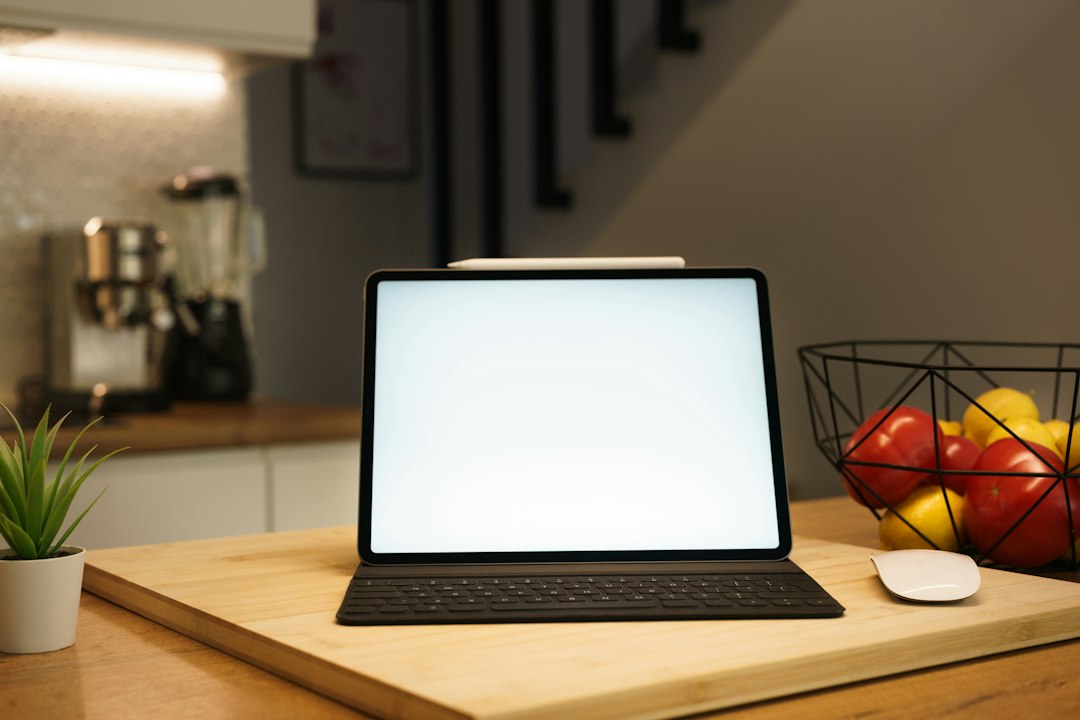
A dedicated home display could give the whole household a common place to check a doorbell camera, adjust lights or view reminders without hunting for someone’s phone.
Consider a family kitchen on a weekday morning. Someone checks the weather while preparing breakfast. Another person sees whether a delivery has arrived. A shared interface could make small tasks easier, especially for family members who do not each own an iPhone.
But a screen alone is not the breakthrough. The important questions are how quickly it responds, whether it works with existing accessories and whether people can operate it without a lengthy setup process.
The Australian reality: cost, renting and energy use
For Australians, convenience needs to justify the cost. Adding connected cameras, lights and controllers can become expensive, especially when the household already owns perfectly functional appliances.
Renters may be reluctant or unable to install permanent hardware. Portable accessories and support for products from different brands could therefore matter more than elaborate demonstrations of fully automated homes.
There is also an energy-saving opportunity, but it should not be oversold. Scheduling compatible heating, cooling and lighting may help avoid unnecessary use. Actual savings depend on the home, electricity tariffs, equipment and how residents behave.
Siri, AI and the question of trust
Voice assistants have been in homes for years, yet many people still use them mostly for music, timers and weather. A better assistant would understand everyday requests without demanding precisely worded commands.
Apple’s work on AI raises expectations for more natural interactions, although consumers should wait for demonstrations and Australian feature availability before assuming any particular capability is coming to a new home device.
Privacy matters just as much. A connected home can reveal routines, camera feeds and information about who is present. Apple will need to make clear which data stays on devices, what requires cloud processing and how households control access.
Should you buy a HomePod or Apple TV now?
Anyone already considering a HomePod mini or Apple TV may find it sensible to wait for the October 13 announcement before deciding. That does not mean existing models suddenly become poor purchases.
Compare the actual Australian price, compatibility, local availability and practical features once Apple publishes details. A cheaper existing device may still be the better option if it already does what you need.
The Tech Boom’s view
Apple has an opportunity to make the smart home less intimidating. Its success will not be measured by how many new devices appear on stage, but by whether a household can set them up, share them and forget about the technology behind them.
For Australian consumers, the real promise of “Welcome Home” is not a futuristic house. It is a familiar home where the technology finally works together.
Editorial note: Product expectations discussed here are unconfirmed ahead of Apple’s announcement. We will update this article as official details become available.