Coles Group is investigating a cyber security incident, the supermarket giant told the Australian Securities Exchange on Monday morning. In a short ASX announcement, Coles said it had so far found no evidence that customer, staff or supplier data had been taken, and that stores and online shopping were running as normal.
Coles is one of the country’s two big supermarket chains (AAP described it as Australia’s second-largest retailer), so even a brief announcement like this one will leave plenty of shoppers wondering whether they need to do anything. Here’s what Coles has actually said, what it hasn’t, and the sensible steps to take while the investigation continues.
What Coles has said
The key line in the announcement is this: “Based on the findings of our investigation to date, we have not identified any evidence that customer, team or supplier data has been compromised or removed from Coles’ systems.”
Coles says it is working with the Australian Cyber Security Centre, the federal government’s cyber agency, and “will continue to engage with appropriate agencies and regulators as investigations continue.” It has also brought in outside help, saying it is working “with global cyber security experts to contain and secure the Coles IT environment.” It did not name the firms involved.
The company apologised “for any concerns this may cause our customers and key stakeholders at a time of increasing cyber incidents in Australia and around the world.” Its incident update page, marked as current at 8:30am AEDT on Monday, repeats the statement and adds a set of customer and supplier FAQs. iTnews and the Australian Associated Press, in a report published by The Guardian, both reported the disclosure on Monday morning, based on the ASX statement.
What we don’t know yet
Quite a lot. Coles has not said what kind of incident it is dealing with, when it was detected, which systems were involved, or whether anyone has claimed responsibility. It has not used the words ransomware or data breach. A “cyber security incident” is a deliberately broad term that can cover anything from an intrusion caught early to a much more serious compromise.
The other important detail is the qualifier “to date”. Coles says it has found no evidence of data being compromised or removed so far, which is not the same as saying it is certain nothing was taken. Investigations like this often take days or weeks, and early findings can change. Companies tend to word these statements carefully for exactly that reason.
If the investigation does find that personal information was accessed and the breach is likely to cause serious harm, the Privacy Act’s Notifiable Data Breaches scheme would require Coles to notify affected people and the Office of the Australian Information Commissioner. That hasn’t happened, and there is no indication at this stage that it will.
Are Flybuys, Coles Plus and gift cards affected?
According to Coles’ customer FAQs, not as far as it knows:
- Coles app and website: Coles says you can keep using both as normal and there is “no action you need to take at this time.”
- Flybuys: Coles says it has “no indication that Flybuys accounts have been impacted” and you can keep using your account as normal.
- Subscriptions: no issues have been identified with Coles Plus, Coles Plus Delivery or QuiteLike subscriptions, according to the FAQ.
- Gift cards: Coles says they continue to work as normal under their usual terms.
- Liquorland: Coles says it is aware of “a small number of customers experiencing issues with Liquorland click-and-collect” and is investigating. It hasn’t said whether that problem is related to the cyber incident.
What Coles customers should do now
There’s no need to panic, and nothing Coles has said suggests your account details are in criminals’ hands. But big-brand incidents are reliably followed by scammers trying to cash in on the news, so this is a good moment for some basic checks:
- Be wary of messages about the incident. Expect fake emails and texts claiming to be from Coles, offering refunds or compensation, or asking you to verify your account. Coles says it “will never ask you to provide your password or other sensitive account information through an unsolicited email or SMS.” Scamwatch’s guide to phishing explains the common tricks.
- Don’t click, go direct. If a message worries you, open the Coles app or type the Coles website address yourself rather than following a link. Coles’ customer response line is 1800 061 562.
- Use a unique password. Coles recommends a strong, unique password for your account and not reusing the same password across multiple services. If your Coles or Flybuys password is also used anywhere else, change it on those other sites first, and switch on two-step verification wherever it’s offered.
- Watch your bank and card statements for anything you don’t recognise, as you always should.
- Report scams. You can report scam messages to Scamwatch and cybercrime to the Australian Cyber Security Centre. If you think your identity details have been misused, IDCARE, Australia’s national identity and cyber support service, runs a helpline for individuals on 1800 595 160.
Businesses that supply Coles should be especially careful with emails about invoices or changed bank details over the coming weeks. Supplier payment redirection is a favourite trick after a public incident, and Coles’ supplier FAQ carries the same warning about unexpected emails and SMS. We covered how attackers increasingly get in through suppliers and IT providers in our recent piece on the Expedia breach and what it means for Wotif customers, and the FBI warning about the ARTEX AI hacking framework published this morning.
Our read
Coles has followed the now-familiar Australian playbook: disclose early to the market, say no data has been found to be taken so far, and point customers to an FAQ. Early disclosure is better than silence, but it leaves customers in an uncomfortable gap between knowing that something has happened and knowing what it means for them.
For now, the facts favour calm. Shopping, the app, Flybuys and gift cards all work, and Coles says there’s no evidence of customer data leaving its systems. The two things worth watching are updates on Coles’ incident page, especially any change to that “no evidence” wording, and the scam messages that will almost certainly try to exploit the headlines. We’ll update this story if Coles shares more.
Sources: Coles Group ASX announcement and incident update page (current as at 8:30am AEDT, 16 November 2026); reporting by iTnews and the Australian Associated Press (via The Guardian); Office of the Australian Information Commissioner; Scamwatch; Australian Cyber Security Centre; IDCARE. Checked 1:45pm AEDT.
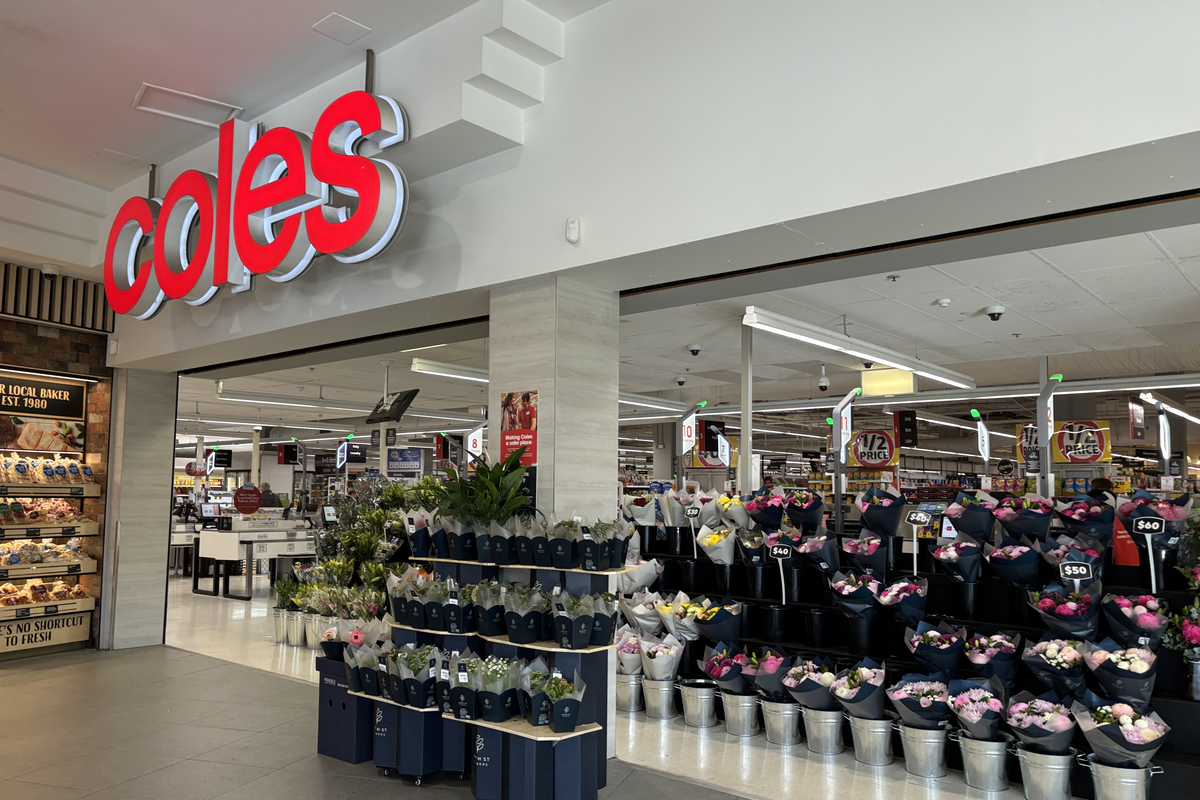
Featured image: the Coles supermarket in Manuka, Canberra, August 2026. Photo: Nick-D, via Wikimedia Commons, released into the public domain under CC0; cropped to 3:2, resized and converted to PNG. Not connected with the incident; use does not imply endorsement by the photographer or Coles.