Apple’s biggest iPhone software update of the year is almost here, and this time the headline is not a redesigned icon or another lock-screen tweak. It is Siri.
Apple says iOS 27 will be available in Australia from September 15, bringing the public rollout of Siri AI in English alongside a wider set of Apple Intelligence features, performance changes and new privacy and family controls. Internationally, Apple’s rollout begins September 14, with the date difference reflecting time zones.
For iPhone owners, however, there is an important distinction: being able to install iOS 27 does not necessarily mean being able to use Siri AI.
Siri AI is the real story in iOS 27
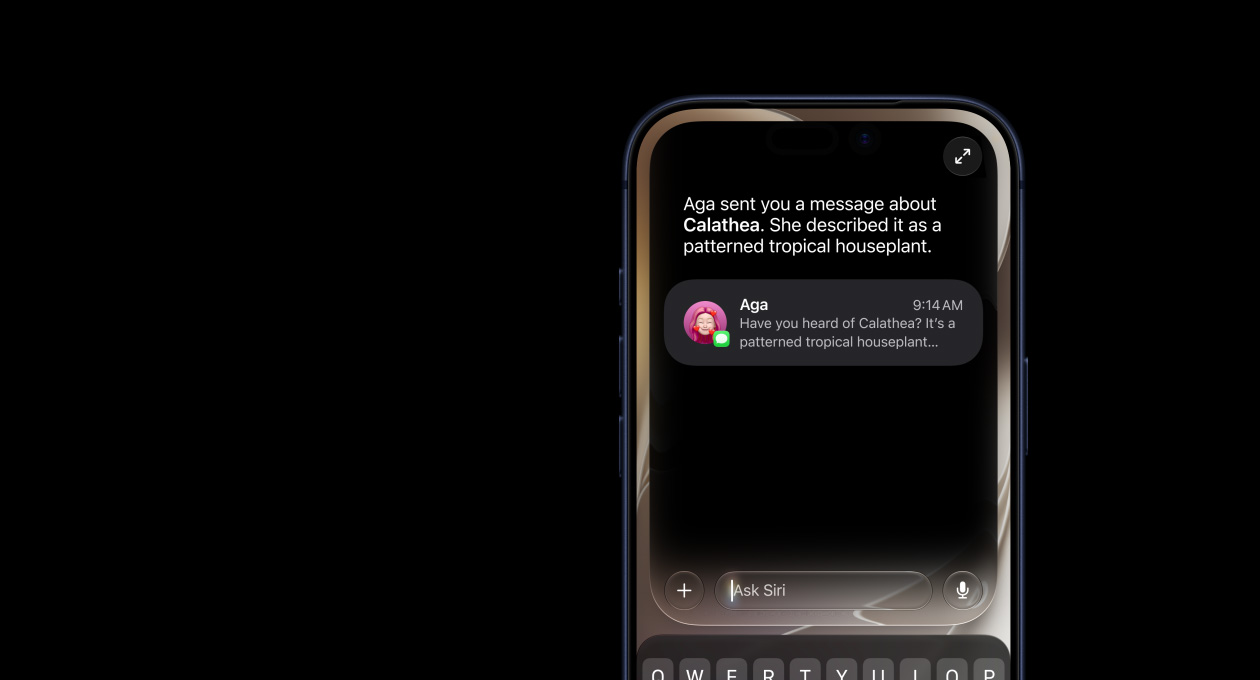
Apple first previewed Siri AI at WWDC in June, but the September release is when the company’s long-delayed assistant overhaul finally starts reaching ordinary users. Apple describes it as a more conversational assistant that can understand personal context, recognise what is on the screen and take actions across apps.
That changes the role Siri is supposed to play. Instead of mainly setting timers, launching apps or answering simple requests, Apple wants the assistant to find information buried in messages, emails, photos and notes, follow a conversation naturally and act on what a user is already doing.
A new dedicated Siri app will also keep conversations in one place and allow them to continue across compatible Apple devices. Users can type or speak to Siri AI, ask open-ended questions, use it for writing and access Visual Intelligence through the Camera.
Apple is still calling Siri AI a beta, though, and that label matters. The company says it is rolling out in English first, with broader language availability to follow. Apple also warns that usage limits may apply to Siri AI and some server-based Apple Intelligence features.
iOS 27 supports far more iPhones than Siri AI
The good news for owners of older phones is that iOS 27 itself has a broad compatibility list. Apple says the update supports the iPhone 11 series and newer, as well as the iPhone SE second generation and later. That includes the iPhone 12, 13, 14 and 15 families, along with newer models.
Siri AI has much tougher hardware requirements. Apple says Apple Intelligence and Siri AI require an iPhone 15 Pro or iPhone 15 Pro Max, an iPhone 16 model or later. That means an iPhone 15 or 15 Plus can receive iOS 27 but will not suddenly gain the complete Siri AI experience.
It is a distinction worth checking before updating, particularly for anyone seeing iOS 27 promoted primarily as Apple’s big AI release.
What else changes in iOS 27?
There is plenty in the update even without Siri AI. Apple has continued refining its Liquid Glass interface, including a slider that lets users adjust the appearance from clearer to more heavily tinted. Built-in app icons have also been refined, and Apple is expanding customisation across the system.
Photos gains new AI-assisted editing tools on supported devices, including Spatial Reframing, an Extend tool for expanding an image beyond its original frame and an upgraded Clean Up feature for removing larger unwanted objects.
Safari can automatically organise tabs by topic and includes a Notify Me feature designed to watch webpages for changes such as price drops or products returning to stock. Mail gets improved search ranking, while iCloud Shared Albums become easier for Android and Windows users to join through iCloud.com.
Apple is also making a notable set of changes for families. New child-safety tools include Ask to Browse for approving websites, expanded Communication Safety protections and more flexible Screen Time schedules and allowances.
Apple is also promising a faster iPhone
Some of the least flashy iOS 27 changes could end up being the ones people notice most. Apple claims app launches can be up to 30 per cent faster, new photos can appear in the Photos library up to 70 per cent faster and AirDrop transfers can be up to 80 per cent faster under its testing conditions.
Those are Apple’s own performance figures, so real-world results will inevitably depend on the iPhone model, battery condition, apps and workload. Still, the emphasis on speed and reliability is significant for an update that could otherwise have been dominated entirely by AI.
There is a catch: some AI features have limits
Apple’s Australian App Store information for iOS 27 says some features that depend on server-side models are subject to daily usage limits. The company specifically includes Siri AI, intelligent photo-editing tools, Image Playground and cloud-based Apple Foundation Models among features that can be limited.
Apple also says expanded access will be available for a fee in the future. That does not mean basic Siri is becoming a paid service, but it does introduce a new question for Apple Intelligence: how much high-end AI processing Apple will include for free once the beta period matures.
That may become one of the most consequential parts of iOS 27 long after launch week is over.
Should you install iOS 27 immediately?
For most users with a compatible iPhone, there is no need to rush the moment the update appears. Major iOS releases can expose app-compatibility issues and bugs that were not obvious during beta testing, and Siri AI itself is launching as a beta.
If your iPhone is essential for work, banking, authentication or other critical tasks, waiting a short period to see whether any significant launch-day problems emerge is reasonable. Everyone else may find the new features worth exploring early — particularly owners of Apple Intelligence-capable hardware who have been waiting to see whether Siri can finally become the assistant Apple has been promising.
The more interesting test starts after installation. Apple has spent years positioning privacy and tight hardware-software integration as its advantage in AI. With iOS 27, that argument finally reaches millions of iPhones in a form people can judge for themselves.
Image: Apple. The Tech Boom will be following the iOS 27 rollout and any launch-day issues as the update reaches Australian users.