Microsoft has set the date for its next major Windows and Surface showcase, and this one looks less like a routine hardware refresh than a statement about where the PC is heading next.
The company will hold an event in San Francisco on October 7, bringing Microsoft CEO Satya Nadella, Windows and Devices chief Pavan Davuluri and NVIDIA CEO Jensen Huang together for what Microsoft describes as a conversation about how local AI will shape the next chapter of the PC.
The confirmed agenda spans Windows, Surface, NVIDIA RTX Spark and the broader PC ecosystem. That combination matters. After years in which much of the generative AI boom has depended on enormous cloud data centres, Microsoft and NVIDIA are increasingly pushing capable AI models and agents directly onto personal computers.
What Microsoft has actually confirmed
The October 7 event is scheduled for 10am Pacific Time in San Francisco. Microsoft has not yet announced a detailed product list, but reporting on the invitation says Nadella, Davuluri and Huang will discuss the latest innovations across Windows, NVIDIA RTX Spark, Surface and the wider PC ecosystem.
That makes RTX Spark one of the clearest signals about what Microsoft wants this event to represent.
NVIDIA says RTX Spark Windows PCs are due to arrive in October. The platform combines a Blackwell RTX GPU, a 20-core Grace CPU and as much as 128GB of unified memory, with the goal of running demanding AI workloads and personal agents locally rather than sending every task to the cloud.
Why local AI is becoming the next PC battleground
The first wave of AI PCs was largely sold around neural processing units, Copilot features and efficiency. The next phase is becoming much more ambitious.
Microsoft and NVIDIA have been working on a Windows platform for on-device agents, including security and containment features intended to give local AI systems controlled access to apps and workflows. NVIDIA has also been building tools that make local models easier to install and distribute workloads across compatible PCs.
The attraction is straightforward: a powerful enough PC can process more AI tasks without sending sensitive data elsewhere, reduce dependence on paid cloud inference and potentially keep an assistant running continuously in the background.
Whether that translates into genuinely useful everyday software is the bigger question. October 7 gives Microsoft an opportunity to demonstrate why consumers and professionals should care about the extra AI hardware rather than simply adding another specification to the laptop box.
Surface Laptop Ultra is the product to watch — but it is not a confirmed October 7 launch
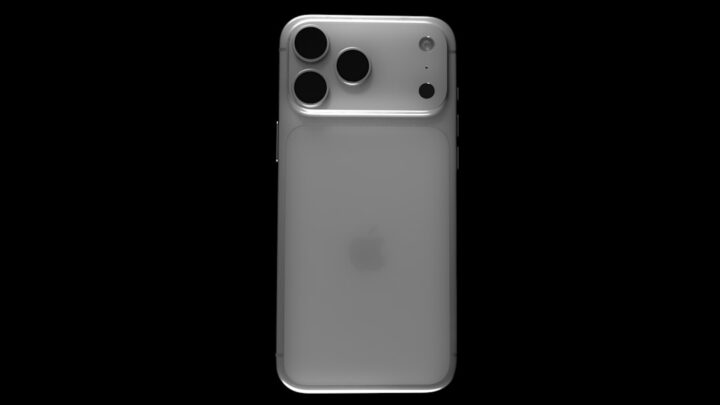
Attention will inevitably turn to Microsoft’s Surface Laptop Ultra. Microsoft has already revealed the machine and describes it as its most powerful Surface Laptop, pairing new NVIDIA silicon with up to 128GB of unified memory and a 15-inch mini-LED PixelSense Ultra display.
Microsoft says the system is designed to run larger AI models locally, alongside creative and GPU-heavy workloads. Its official Surface page highlights local AI agents, creation and gaming as central use cases.
What Microsoft has not confirmed is that October 7 will be the day it announces final Surface Laptop Ultra pricing or availability. The timing and the NVIDIA-heavy event agenda make the device an obvious one to watch, but until Microsoft says otherwise, any specific launch plans remain expectations rather than confirmed announcements.
NVIDIA’s presence makes this bigger than Surface
Jensen Huang appearing alongside Microsoft’s senior leadership is significant because RTX Spark is not exclusive to Surface.
NVIDIA says manufacturers including ASUS, Dell, HP, Lenovo, Microsoft and MSI are preparing RTX Spark systems, with Acer and GIGABYTE also joining the platform. Microsoft recently highlighted new RTX Spark designs from partners at IFA, including Lenovo’s Yoga Pro 9n and Acer’s compact desktop reference design.
That means October 7 could help establish the broader shape of a new Windows PC category rather than simply introducing another Microsoft laptop.
What Windows users should watch for
There are three questions worth following when Microsoft takes the stage.
First is price. Hardware capable of running large AI models locally is only relevant to mainstream PC buyers if manufacturers can bring it into realistic laptop and desktop price ranges.
Second is software. Microsoft and NVIDIA need to show what local AI can do that current cloud-connected assistants cannot do as effectively, privately or cheaply.
Third is availability. NVIDIA has already said RTX Spark Windows PCs begin arriving in October, making Microsoft’s event a natural point for manufacturers to turn technical promises into products people can actually order.
Don’t expect Windows 12 just because Microsoft is holding a Windows event
The event is Microsoft’s first major Windows-focused gathering in more than two years, which will inevitably fuel speculation about the next version of Windows. But there is currently no confirmation that Windows 12 will be announced on October 7.
The more concrete story is already interesting enough: Microsoft and NVIDIA are preparing a new generation of PCs designed to move substantially more AI computation from the cloud onto the device sitting on your desk.
If October 7 can show why that matters in everyday use, the next PC upgrade cycle may be defined less by raw CPU speed and more by how much intelligence a machine can run without leaving the machine at all.
Sources: Microsoft Surface, Microsoft Devices Blog, NVIDIA and current reporting from The Verge and Engadget.