Updated 19 November 2026: we linked the TrendForce research cited below. Two July TrendForce notes are listed by title because we could not locate stable public links to them.
The memory chips inside phones and PCs rarely get much attention until they become expensive. In 2026, that is exactly what is happening. Fresh industry data from TrendForce shows global DRAM revenue jumped 59.5% quarter over quarter in the second quarter of 2026 to nearly US$154.73 billion. The reason is not simply that people are buying more laptops or upgrading their phones. AI infrastructure is reshaping where memory manufacturers send their most valuable production capacity. For consumers, that shift is beginning to matter. Higher memory costs are putting pressure on smartphones and notebooks, and manufacturers are increasingly being forced to decide whether to absorb those costs, change hardware configurations or pass some of the increase on to buyers.AI servers are changing the memory market
Large AI systems need enormous amounts of memory. Training and running modern models has increased demand for high-bandwidth memory, or HBM, alongside high-capacity server DRAM. TrendForce says growing AI-server demand is lifting shipments of HBM3e, LPDDR5X and high-capacity RDIMMs. At the same time, supplier inventories remain at historically low levels and much of the additional supply is being directed toward servers. That creates an awkward problem for the rest of the technology industry. The same major memory manufacturers also supply the chips that eventually find their way into PCs, smartphones and other electronics. TrendForce expects conventional DRAM contract prices to rise another 13% to 18% quarter over quarter in the third quarter. It also says consumer DRAM could see particularly strong price growth because suppliers have curtailed supply.Your next laptop could feel it first
The effect is already visible in the PC supply chain. TrendForce reported in July that capacity being reallocated toward server applications was reducing the DRAM available to PC makers. It expects retail notebook prices to rise as higher component costs work their way through existing inventories. That does not mean every laptop will suddenly become dramatically more expensive. PC makers have several ways to respond. Some can accept lower margins. Others can adjust specifications, promote lower-memory configurations or increase prices selectively. The important point for buyers is that memory is no longer the inexpensive, plentiful component it was during softer parts of the semiconductor cycle.Smartphone makers face the same squeeze
Phones are exposed too. TrendForce says persistently high LPDRAM costs are pushing smartphone vendors toward higher retail pricing, even as weaker consumer demand makes those increases harder to sustain. This is particularly relevant as the industry enters another major flagship launch cycle. Apple is holding its September event this week, while Samsung and other Android manufacturers continue competing aggressively at the premium end of the market. There has been plenty of speculation around future device prices, but memory-market data should not be treated as confirmation of any unannounced Apple, Samsung or Google pricing. What it does show is that device makers are operating in a considerably more expensive component environment.What about PlayStation, Xbox and graphics cards?
Gaming hardware is part of the same broader semiconductor ecosystem, although the impact will not be identical across every product. Graphics memory remains constrained as suppliers shift production between different DRAM products. TrendForce says GDDR6 and GDDR7 prices have been rising alongside the wider DRAM market. Consoles, graphics cards and gaming PCs therefore cannot be assumed to be insulated from higher memory costs. For existing console hardware, manufacturers may have longer-term component agreements that soften short-term price movements. New hardware and refreshed configurations, however, are designed against the costs manufacturers expect to face when they actually ship.Why manufacturers cannot simply make more memory
Semiconductor production does not respond to shortages like an ordinary factory. New fabrication capacity costs billions of dollars and takes years to bring online. Manufacturers can improve yields and move to newer processes, but there are physical limits to how quickly supply can expand. TrendForce says Samsung, SK hynix and Micron are primarily expected to increase bit supply through advanced process migrations during 2026 and 2027, while wafer-start growth remains comparatively modest. That helps explain why the current imbalance may not disappear quickly. AI companies are still expanding infrastructure at enormous scale while consumer-device manufacturers are competing for some of the same underlying production resources.What this means if you are buying technology
There is no reason to panic-buy a phone or laptop because DRAM prices increased in one quarter. Component prices fluctuate, manufacturers hedge supply, and the retail impact varies enormously between products. But buyers should pay closer attention to memory configurations when comparing upcoming devices. A new laptop that appears to hold its price may ship with less RAM at the entry level. A flagship phone may move upward in price while offering other upgrades to justify the increase. PC builders could also find that memory no longer represents the easy, inexpensive upgrade it once did. The bigger story is that the AI boom is no longer confined to data centres or NVIDIA earnings calls. It is beginning to reshape the economics of ordinary consumer technology. And that means the cost of AI may increasingly show up somewhere much closer to home: on the price tag of your next device.Related: Nintendo Switch 2 price rise and the memory shortage and Apple raises older iPhone prices. Also cited: TrendForce, “AI Server Demand Continues to Support Memory Prices in 3Q26” (3 July 2026) and “Long-Term Agreements Cap Price Increases” (9 July 2026).
Sources
- TrendForce: DRAM industry revenue rises 59.5% QoQ in 2Q26 (7 September 2026)
- Electronics Weekly: Q2 DRAM revenue up 59.5% QoQ
- IDC: Smartphone shipments set for record 16.7% drop in 2026
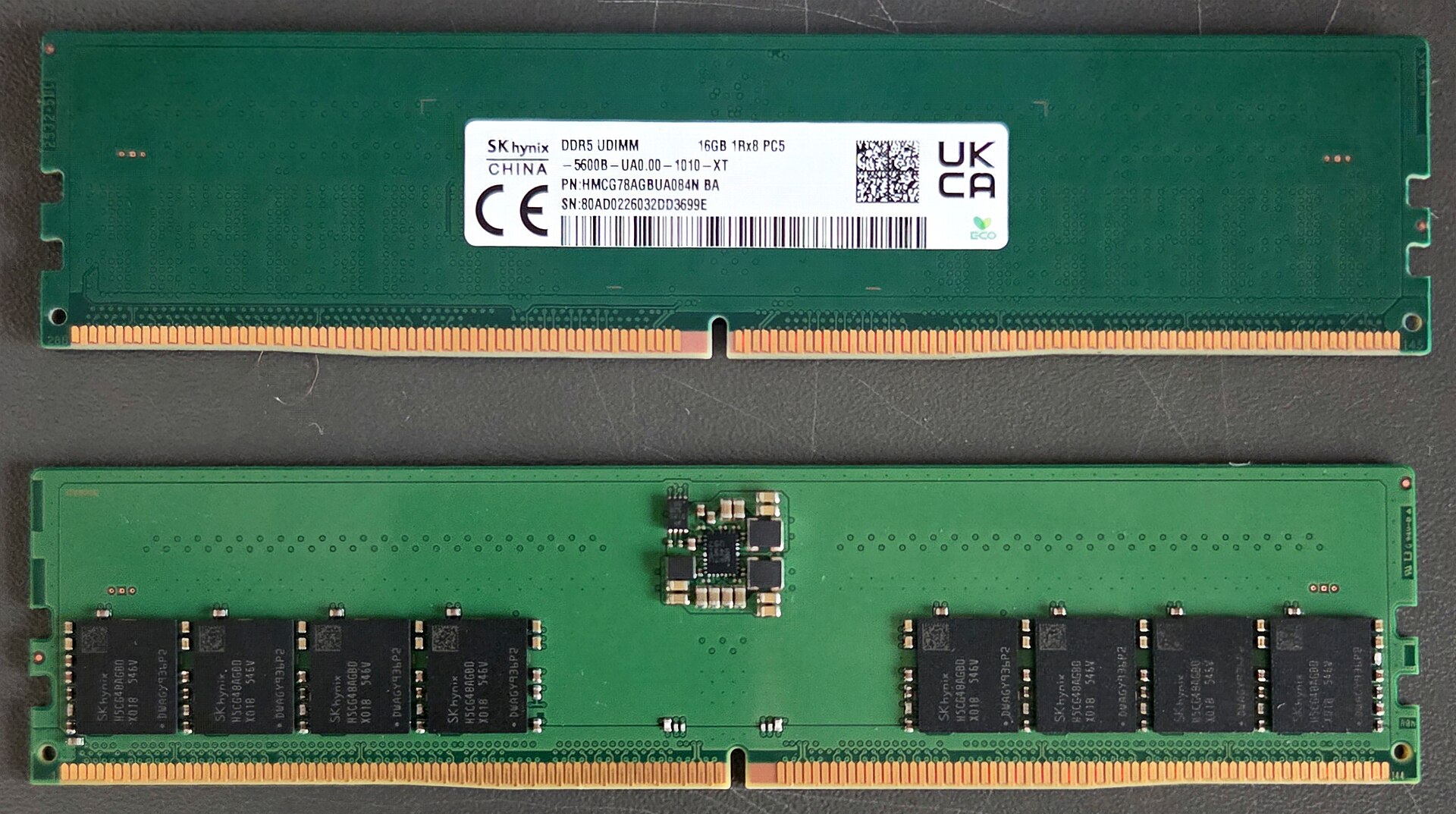
Featured image: An SK hynix 16GB DDR5-5600 desktop memory module (UDIMM). Photo: ITEagle Europe – Sebastiaan Broekhoven / Wikimedia Commons, CC BY-SA 4.0.