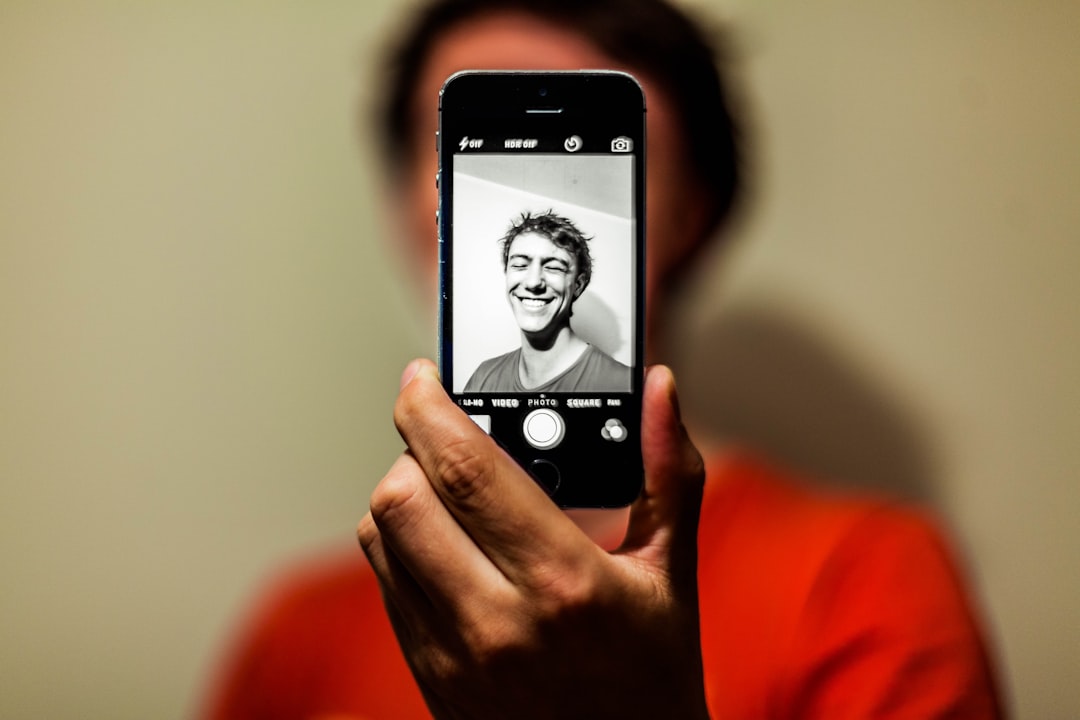
Uploading a photo to an AI chatbot has become strangely ordinary. A selfie for a new hairstyle. A picture of the living room for decorating ideas. A family photo that needs fixing. A screenshot, a passport page, a rash, a child’s face, a document sitting on the kitchen table.
The interesting part is not that people use AI this way. It is how quickly the upload button has started to feel private.
ChatGPT looks like a conversation, and conversations feel temporary. But an uploaded image is also data being sent to a cloud service. With OpenAI rolling out ChatGPT Images 2.5 — a model specifically improved at preserving the identity and distinctive features of subjects in reference photos — it is worth understanding what happens after you tap upload.
Your photo does not simply disappear after ChatGPT looks at it
OpenAI’s current documentation says files uploaded to ChatGPT, including images, can be saved to the user’s Library where that feature is available. That is useful: a file can be found and reused later without uploading it again.
But it also creates an important distinction that is easy to miss. The conversation and the uploaded file can be managed separately.
According to OpenAI, deleting a chat does not necessarily delete a file that has been saved to Library. Library files remain associated with the account until the user deletes them from Library. Once deleted, OpenAI says they are generally scheduled for permanent deletion from its systems within 30 days, subject to limited security, legal or de-identification exceptions.
In other words, cleaning up your chat history is not always the same thing as cleaning up everything you uploaded.
Does OpenAI train AI models on your photos?
Potentially — but the answer depends on the product and your settings, rather than every uploaded selfie automatically becoming training material.
For individual ChatGPT users, OpenAI says content including uploaded files may be used to improve model performance when the account’s “Improve the model for everyone” setting is enabled. Users can turn that setting off under Data Controls. OpenAI says future conversations will then not be used to improve its models.
Temporary Chat provides another option for conversations you do not want sitting in your normal history. OpenAI says Temporary Chats are not used to train its models, do not create memories and are automatically deleted from its systems within 30 days. Files uploaded through Temporary Chat are not saved to the account’s Library.
The privacy question is becoming more important because the AI is becoming better
This discussion would be less interesting if AI image tools were still producing distorted faces and six-fingered hands. They are not.
OpenAI says its new Images 2.5 model is better at preserving people and other subjects from reference photographs across edits, while also improving lighting, texture and multi-turn consistency. That is exactly what users want from an image editor. If you upload a photograph of yourself and ask for a different outfit or setting, you generally want the resulting person to still look like you.
There is a privacy paradox hiding inside that improvement: the more useful AI becomes at understanding our personal photographs, the more personal photographs we are likely to give it.
So should you stop uploading photos to ChatGPT?
For most people, that would be an overreaction. The more practical response is to treat an AI upload with the same judgment you would apply to any other cloud service.
- Check Data Controls if you do not want new consumer ChatGPT conversations used to improve models.
- Consider Temporary Chat for material you do not want saved to your normal account history or Library.
- Remember that deleting a regular chat may not remove a file separately saved in Library.
- Think twice before uploading identification documents, financial information, intimate photographs or images containing sensitive information that is irrelevant to the task.
- Be especially thoughtful when the photograph belongs to somebody else — particularly a child — because they did not necessarily make the decision to upload it.
None of that requires believing that an AI company is secretly waiting to steal your holiday selfies. It simply means recognising what the interface can make surprisingly easy to forget.
An upload box is convenient. It is not a private room.
AI assistants increasingly feel less like websites and more like people we know. We talk to them, show them things and ask for opinions. That intimacy is part of what makes the technology useful.
But the mental model matters. A photograph uploaded to ChatGPT is not being shown to a friend sitting across the table. It is being submitted to an online service governed by storage systems, account settings, retention rules and privacy policies.
The question, then, is not whether everyone should become afraid of uploading a selfie to AI. It is whether we should become a little less casual about what else is visible in the frame.