Updated 19 November 2026: rewritten and re-sourced with Adobe’s bulletin, Sansec’s investigation and the Australian Signals Directorate’s alert. We also added a checklist for stores that may have been compromised before they patched.
If your online store runs Adobe Commerce or Magento Open Source and you have not installed Adobe’s September hotfix, assume it is at risk. The flaw is CVE-2026-75650, which researchers named “StyleSmuggler”. It lets an attacker who is not logged in run code on the store’s server. It has the maximum CVSS score of 10.0, attackers were exploiting it before a fix existed, and the Australian Signals Directorate’s Australian Cyber Security Centre (ACSC) has warned that a “substantial number” of potentially vulnerable stores are running in Australia.
What happened
Dutch e-commerce security firm Sansec says the first confirmed attack happened on 4 September 2026 (UTC), and it published its findings the next day. Adobe released security bulletin APSB26-146 on 7 September. The bulletin has Adobe’s highest priority rating and confirms Adobe “is aware of CVE-2026-75650 being exploited in the wild”. The fix comes as a hotfix, VULN-39341, rather than a full new release. That left attackers about three days of exploiting the bug with no patch available.
According to Sansec, the attack hides PHP code inside Magento’s template system, using styles properties to slip past existing protections. It then gets Magento to run that code, for example through a failed-payment email. That is why BleepingComputer says unexpected “Payment Transaction Failed Reminder” emails are one sign of compromise.
Which versions are affected
Adobe lists Adobe Commerce 2.4.4 to 2.4.9, Adobe Commerce B2B 1.3.3 to 1.5.3 and Magento Open Source 2.4.6 to 2.4.9, including the August 2026 releases and earlier versions in each branch. Sansec reproduced the attack on clean installs of 2.4.7, 2.4.8 and 2.4.9. It also notes that the first victim was running 2.4.6-p15 with every July and August patch applied, so a clean security:patch-status result before September meant nothing here.
Adobe publishes no fix for out-of-support versions (2.2, 2.3 and 2.4.0 to 2.4.3). Magento agency Scandiweb has backported the fix to 41 older releases. Sansec says it has not reviewed those patches, so test them on a staging copy first. Any store still on those versions needs to plan an upgrade, because this will not be the last critical Magento bug.
What attackers are doing with it
- Backdoors. The main attacker installed a backdoor that renamed itself several times to look like ordinary Linux processes such as
fc-cacheandchronyd. It disguised its command server as a normal time server, according to Sansec and BleepingComputer. - Card skimmers. Sansec found payment-card-stealing JavaScript inserted into the store’s header settings (
design/head/includes), which then loads on every store view. - A second attacker. From 7 September, an unrelated attacker was seen dropping a 485-byte PHP web shell that collects server details and checks whether
pub/mediacan be written to.
Because attackers can reach the database and configuration, patching does not undo a compromise that has already happened.
The Australian angle
ASD’s ACSC issued a critical alert. It said the centre was aware of a substantial number of potentially vulnerable instances “within the Australian economy” and urged organisations to patch as soon as possible (iTnews covered the alert on 10 September). The US Cybersecurity and Infrastructure Security Agency added the CVE to its Known Exploited Vulnerabilities catalog on 8 September, and Singapore’s CSA issued its own alert.
For Australian merchants, card skimming is more than an IT problem. If customer card or personal data is taken, you may have obligations under the Notifiable Data Breaches scheme and to your payment provider. If you think your store was compromised, you can report it to ASD on 1300 CYBER1 (1300 292 371).
What store owners should do now
- Install the VULN-39341 hotfix from
repo.magento.comas a composer patch, and confirm it is applied. Adobe’s knowledge-base article has the steps. If you use an agency or managed host, ask them in writing to confirm the date it was installed. - If you could not patch straight away, Sansec noted that blocking public access to
/graphqlreduced exposure while you waited. The ACSC’s alert also says the endpoint must be reachable for the attack to work. Treat this as a stopgap, not a fix. - Check for compromise, especially if the store was unpatched at any point after 4 September. Look for the indicators published by Sansec and Akamai: unfamiliar processes, new cron jobs, unexpected changes to
design/head/includes, and failed-payment reminder emails you did not trigger. - Rotate secrets. Adobe recommends rotating the Magento encryption key and everything it protects: admin passwords, API and integration tokens, OAuth secrets, payment gateway credentials, database passwords, and SSH and deploy keys. Rotate them at the source, not just inside Magento.
- Plan your upgrade path if you are on an end-of-life version.
The same pattern of attacks starting before a patch exists keeps showing up in browsers and operating systems too. See our coverage of September’s Chrome zero-day and Microsoft’s September Patch Tuesday.
Sources
- Adobe: Security bulletin APSB26-146 (7 September 2026)
- Adobe Experience League: Commerce APSB26-146 announcement and hotfix instructions
- Sansec: StyleSmuggler: Magento and Adobe Commerce 0-day RCE under active attack
- BleepingComputer: Adobe fixes critical Magento zero-day exploited to backdoor servers
- Akamai: CVE-2026-75650 StyleSmuggler analysis
- ASD’s ACSC: Active exploitation of Adobe Commerce and Magento Open Source vulnerability
- iTnews: ASD warns Aussie Adobe Commerce and Magento stores under attack
- CISA: CISA adds four Known Exploited Vulnerabilities to catalog
- Cyber Security Agency of Singapore: Alert AL-2026-117
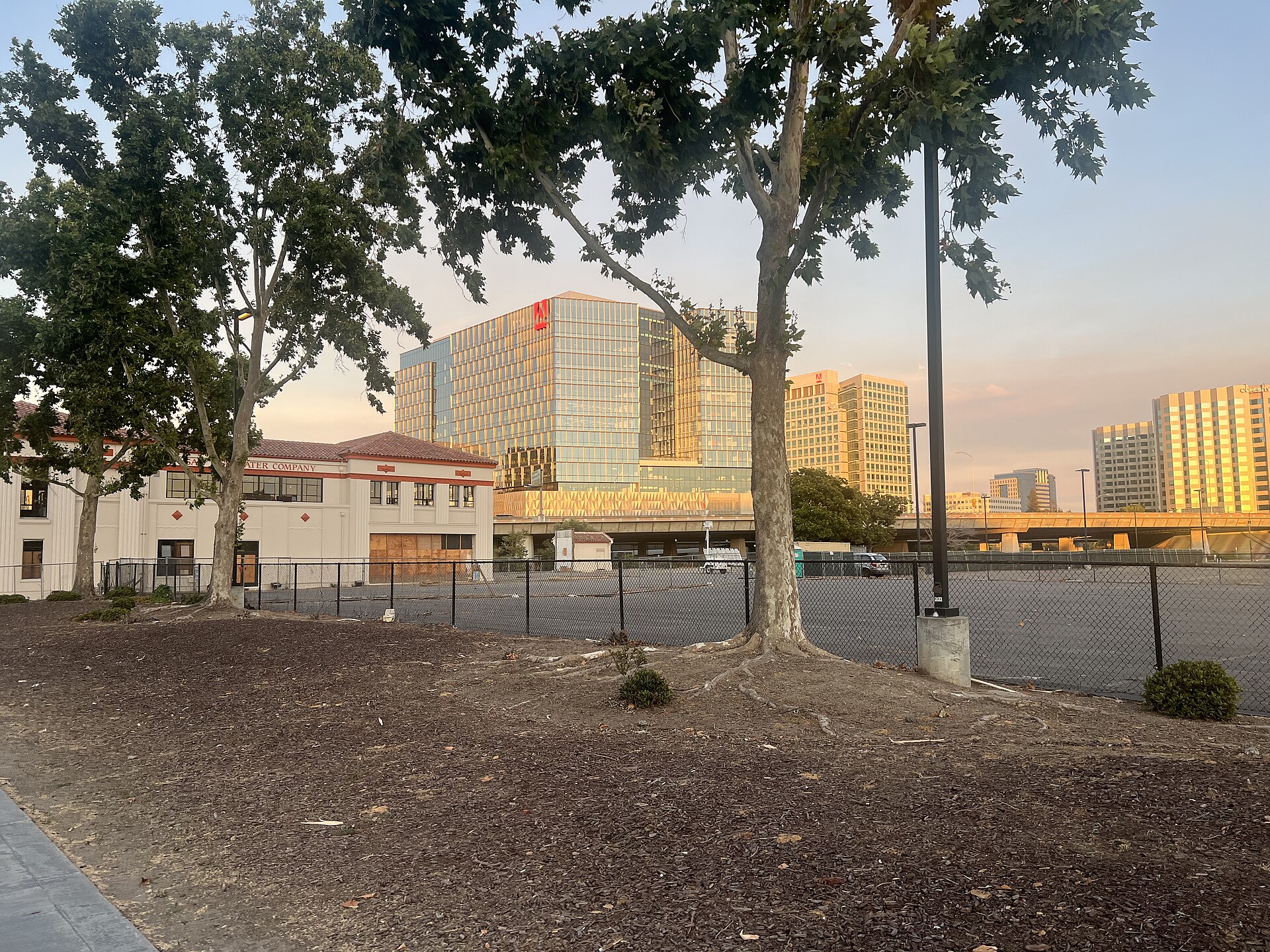
Featured image: Adobe’s world headquarters in San Jose, California, photographed in 2023. Photo: FASTILY / Wikimedia Commons, CC BY-SA 4.0.